
What to consider before selling a high value residential property in NSW
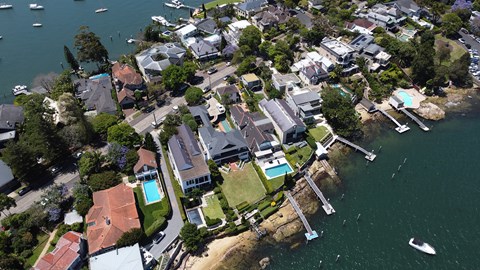
Selling a high value residential property in New South Wales is often more complex than a standard residential transaction. While the fundamentals of conveyancing remain the same, properties with significant value can attract additional scrutiny and often involves more than simply finding a buyer and signing a contract.
Whether you are selling a prestige family home, waterfront property, acreage property, luxury investment, or a potential development site, it is important to understand the additional legal, financial and practical considerations that may arise before you place the property on the market.
Careful planning before the property is listed can help reduce delays, avoid disputes and maximise the likelihood of a successful sale.
Why high value property transactions require additional planning
The higher the value of a property, the greater the financial risk for all parties involved. Purchasers are often more cautious, wanting to ensure that in paying a premium they receive a premium product. Lenders for prospective purchasers may require more detailed due diligence. The transactions can also involve more complex ownership structures.
Early legal advice can help identify potential issues before a purchaser does, giving the owner an opportunity to address the potential issues to assist in reducing the risk of delays, renegotiations or disputes during the sale process. It can also ensure the contract accurately reflects the property, ownership structure and intended sale arrangements.
A well-prepared contract can give purchasers greater confidence and reduce the likelihood of delays, disputes or last-minute renegotiations.
It should also be noted that many conveyancers are unable to assist with the sale of high value property transactions, as their insurances typically limit the value of the properties they can assist with.
The importance of obtaining or preparing documentation early
One of the most common causes of delays in high value transactions is incomplete or missing documentation or approvals.
This can include documentation relating to the title of the property, waterfront licences, water access, the structures on the property, or the approvals for earlier construction or renovations.
Prospective purchasers of high value property are often more diligent in their investigations and may engage lawyers, accountants, valuers, town planners and other specialist consultants before committing to a purchase.
Often the role of the lawyers and consultants working for a purchaser is to identify any potential issue to bring the risk, no matter how remote, to the purchaser’s attention.
Before the property is placed on the market, sellers should assess the approvals and documentation they have available and consider whether there are matters that could be addressed.
Providing clear and organised information and evidence of approvals early can assist in building purchaser confidence and reducing unnecessary negotiations.
What are the potential tax implications of selling a high value property?
For many sellers, tax considerations become increasingly important as property values increase. Capital gains tax, land tax, GST and foreign resident withholding obligations should all be considered early in the transaction.
While a principal place of residence may qualify for the main residence capital gains tax exemption, this is not always the case. Factors such as investment use, partial business use, periods of leasing, foreign tax residency or ownership through certain structures can affect the availability of exemptions. As many high value properties have experienced substantial growth in value over time, the consequences of this can be significant.
Obtaining accounting advice before entering into a contract can assist in identifying potential liabilities and opportunities for tax planning.
Confidentiality and privacy concerns
Privacy is often a significant concern for owners of high value properties.
Public marketing campaigns may not always be appropriate, particularly where the property is owned by a high profile individual, business owner or public figure.
The appropriate approach will depend on the nature of the property and the seller's objectives.
How development potential can affect your property's value
Some high value properties may derive a significant portion of their value from development potential rather than the existing structures or use.
The value of the property may depend on zoning, planning controls, permissible uses, floor space ratios, height limits and infrastructure proposals.
Sellers may benefit from considering whether planning advice, valuation advice or specialist property advice should be obtained before setting an asking price.
In some circumstances, a purchaser may be prepared to pay substantially more where the development potential has been clearly identified and documented.
Why the contract conditions need careful review
High value transactions frequently involve customised contract provisions, or more extensive contract negotiations.
These may include, for example:
- Longer settlement periods
- Early access arrangements
- Leaseback arrangements
- Greater negotiation around the inclusion of valuable items such as artwork or furniture
- Development applications
- The addition of due diligence obligations
- Complex deposit arrangements
Careful drafting is important to ensure the contract accurately reflects the commercial agreement reached between the parties, and does not create obligations on the seller that cannot be satisfied.
Poorly drafted special conditions can create uncertainty and delay, which can increase the risk of disputes. Having an experienced property lawyer involved early can assist in negotiating terms that protect your interests while keeping the transaction moving forward.
Consider estate planning and asset protection consequences
The sale of a high value property can significantly alter a person's financial position and the composition of their assets.
Before completing the transaction, it may be worthwhile reviewing the following to understand the impact the sale will have on these documents or structures:
- Existing wills
- Testamentary trust arrangements
- Family trust structures
- Asset protection structures
- Family succession plans
- Enduring powers of attorney
A major property sale often presents an ideal opportunity to review broader succession and wealth planning objectives, and assess whether the current arrangements remain appropriate.
Key takeaways
- High value property sales in NSW attract more scrutiny from purchasers, lenders and their advisers than standard transactions.
- Getting documentation, approvals and title information organised early helps avoid delays and builds purchaser confidence.
- Tax issues such as CGT, land tax, GST and foreign resident withholding should be reviewed before signing a contract.
- Privacy and marketing strategy may need special consideration for high profile owners.
- Development potential can significantly affect a property's value and should be assessed before setting an asking price.
- Contracts for high value sales often need customised terms, so careful drafting reduces the risk of disputes.
- A major property sale is a good opportunity to review wills, trusts and broader estate planning.
Get help from a property lawyer
Selling a high value property often involves legal and commercial issues that extend well beyond a standard conveyancing transaction. Obtaining legal advice before the property is listed can help identify risks, streamline the sale process and protect your interests from contract preparation through to settlement.
If you are considering selling a high value residential property in NSW, the team at E&A Lawyers based in Mona Vale, can provide practical advice tailored to your circumstances and work alongside your other professional advisers throughout the transaction.
Contacting E&A Lawyers
For more information or to arrange a consultation with a lawyer, you can call or email us.
Further reading from our property law team
- Buying or selling property in NSW – when to involve your lawyer
- Calculating all the costs when buying and selling property
- What if I accept less than 10% deposit when selling my property?
- 6 key things to consider before selling a property in NSW
This article is of a general nature and should not be relied upon as legal advice. If you require further information, advice or assistance for your specific circumstances, please contact E&A Lawyers.

Save time & money with our online tools
When you meet with our expert lawyers they'll be ready to provide advice.
Get started with your Wills and Estate Plan
Whether you're preparing your Will, Power of Attorney or Appointment of Enduring Guardian for the first time, or are updating an existing one, our lawyers can help you achieve your wishes and guide you through the process.
Buying, Selling or Transferring Property
Are you buying or looking to sell? Whether you're a first-home buyer, investor, downsizing or transferring or leasing property, our lawyers are experienced in the process.
Other Enquiries
We help in a range of areas including obtaining a Grant of Probate, Estate Administration, Estate Litigation and Commercial matters. We’ll review your information and get in touch to discuss the next steps.